Getting Research Ready: Meet the team & A shared start
October 28, 2026
Cumbria CVS Support Officer Shirley Murray, University of Lancashire’s Dr Suzanne Wilson, and Cumberland HDRC Project Officer Lianna Barrie come together to reflect on their time with the Community Co-Researcher team at the start of their research journeys.
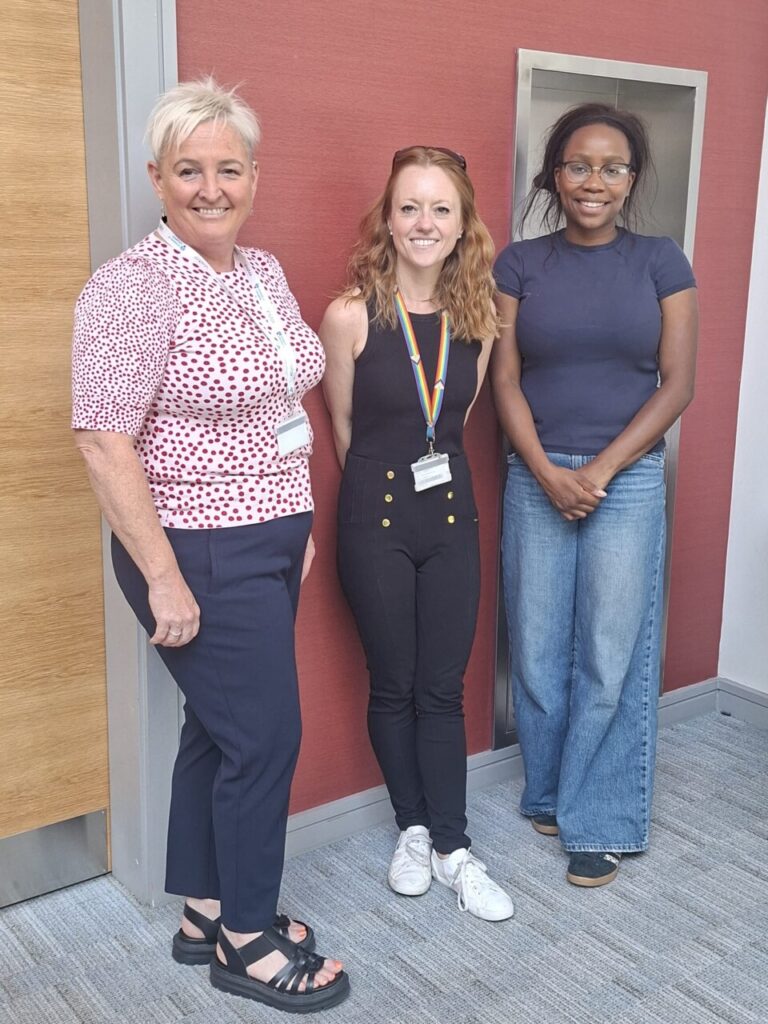
Meet the Team behind the Training
Lianna, Cumberland HDRC Project Officer: I joined the Cumberland HDRC team in January 2025 to support our Community Co-Researchers plan and carry out their research. I was involved in developing and recruiting for the CCR role so this was a very exciting milestone for me. At the heart of our programme is a commitment to making research more inclusive and representative. The CCR training programme is more than just learning about research methods, the programme creates a space where participants can explore how their own experiences, perspectives and expertise can help shape research that matters to their communities.
Dr Suzanne Wilson, University of Lancashire: I’ve been part of the HDRC from the very beginning back in 2024. As one of the HDRC’s academic partners, I started in an advisory role to support the team to make sure the voices and experiences of Cumberland’s communities shaped the work from the outset. I was excited to draw on my 10 years of experience working with community researchers to inform the development of a formal, comprehensive training programme for the CCR team. I developed a ten-session programme with Lianna providing feedback from a HDRC perspective, and additional feedback from HDRC Community Advisory Panel and academic colleagues.
Shirley, Cumbria CVS Support Officer: I’m one of the newer members of the team, joining to provide the pastoral support to the new CCRs as they began their role. My focus is on ensuring they feel supported and enjoy their time working as part of the project.
A Shared Start: Learning from Each Other
Dr Suzanne Wilson, University of Lancashire: It was genuinely humbling and a real privilege to meet the CCR team, who bring such a wealth of lived and learned experience to the project. From the very beginning, I was struck by the openness, generosity, and commitment everyone brought to the discussions. The collective power and passion of the team is palpable, and I always left feeling excited and energised after spending time with them.
Despite the initial training design being very structured, the delivery was fluid and adaptive. In practice, much time was spent in open group discussion, which often focused on power dynamics at multiple levels and on the role of the community researcher. These conversations wouldn’t have been possible without the CEE team investing the time in developing a strong group identity in the CCR team and building relationships with the CCRs, creating a respectful and trusting space for the start. Respectful challenge, personal openness, warmth and humour were features of all sessions.
Participants consistently described increased confidence, a stronger sense of belonging, and feeling empowered to use their lived experience to shape meaningful research. Many spoke about developing new research skills, building valuable networks, and feeling motivated by the opportunity to influence change within their communities.
Lianna, Cumberland HDRC Project Officer: From the outset, we wanted Community Co-researchers to feel like active partners in the process, not simply recipients of training. As we learnt more from each other, we adapted the training to make sure we were meeting both the individual and team needs of Community Co-researchers to create the best possible learning experience.
We were building and shaping something new and it had a tangible impact on people. The rooms becoming alive with discussion. The CCRs all bring a breadth of knowledge and insight with their own individual lived experience which led to really stimulating conversations that will be used to steer their research areas of focus. The passion, their passion is what made my job not feel like work. Every conversation was exciting, and awe inspiring.
Shirley, Cumbria CVS Support Officer: Coming together and taking an active part in group discussions and activities allowed me to understand the role and what it truly means to be a CCR and understanding how lived experience can shape meaningful research. As we got to know each other, I learnt more about each new team member, their personal journey, and their motivations to build strong supportive relationships based on trust, empathy and respect and foster a collaborative environment where everyone feels included and respected.
They are an amazing group of individuals – so diverse and unique. Each of them brings a different perspective and lived experience yet all of them are passionate about making a difference in their communities. This is infectious and after every training session or group event I felt motivated and energised.
This is the first of 2-part blog. Next time: Taking the Learning Forward & The journey continues.
 Community Co-Researchers (CCRs) are hosted by Cumbria CVS and work as part of Cumberland Health Determinants Research Collaboration (HDRC) to design and deliver research focused on tackling health inequalities in Cumberland. Cumberland HDRC is part of the National Institute of Health and Care Research (NIHR) and hosted by Cumberland Council.
NIHR Health Determinants Research Collaborations enable local authorities to become more research-active, embedding a culture of evidence-based decision making. The NIHR has awarded £150 million to 30 HDRCs across the UK, to provide the capacity and capability for local authorities to undertake public health research to address the wider determinants of health and health inequalities.


